 silicone@silic0ne.com
There’s a specific kind of frustration that comes with wanting to sleep but being unable to. You’re tired. Your body aches for rest. Your eyes are heavy. But every time you drift toward unconsciousness, something pulls you back. For some people, it’s a racing mind. For others, it’s a partner’s snoring. For me, it was the sharp, insistent pain of an earbud pressing into my ear every time I turned onto my side.
I’ve always been a side sleeper. It’s not a choice — it’s just how my body wants to rest. Curled slightly, pillow hugged, one ear pressed into the mattress. It’s comfortable. It’s familiar. It’s the position that says “sleep is coming.”
But it’s also the position that makes wearing headphones impossible.
For years, I accepted this trade-off. I could have music or podcasts to help me fall asleep, or I could sleep comfortably. Not both. I tried every workaround — sleeping on my back (impossible), using a single earbud in the upward-facing ear (lopsided and weird), playing audio through a speaker (disturbing my partner), giving up entirely and staring at the ceiling in silence (depressing).
Then I discovered sleep earphones. And everything changed.
The Problem with Regular Earphones
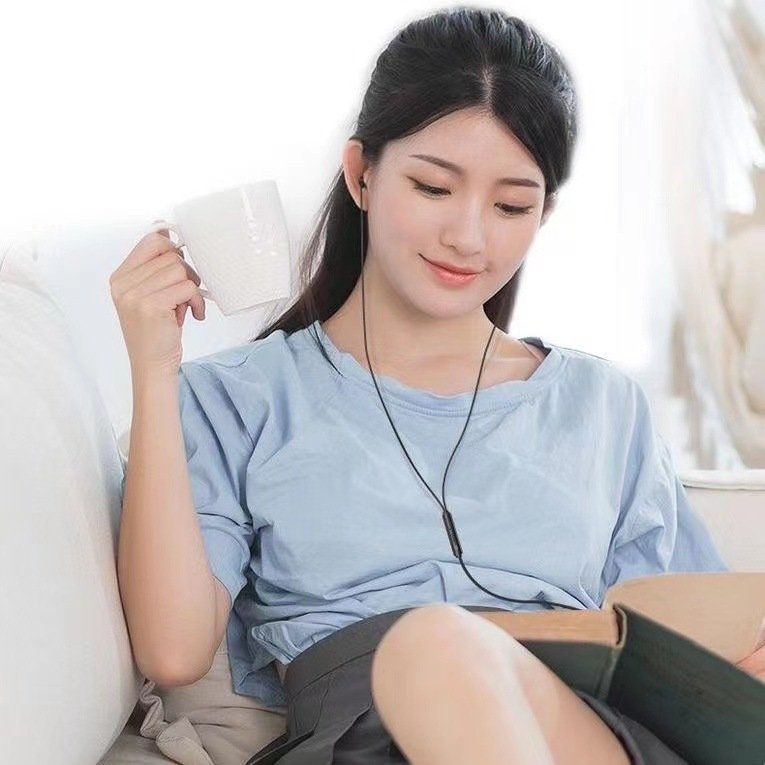
Let’s be clear about why standard earbuds fail at bedtime. It’s not a design flaw — they were never designed for sleeping. They were designed for commuting, for working out, for sitting at a desk. They assume you’ll be upright, moving, awake. They don’t account for the specific physics of pressing your head against a pillow.
Standard earbuds have hard plastic housings. They protrude from your ear. They have rigid cables that transmit every movement as noise. When you lie on your side, that hard plastic digs into your ear canal. The housing presses against the sensitive cartilage of your outer ear. Within minutes, you’re in pain. Within an hour, you’ve given up .
The alternatives aren’t better. Sleeping with over-ear headphones is physically impossible — the headband creates a gap between your head and pillow, and the earcups push against your jaw in ways that guarantee waking up sore. Bone conduction headphones work for some people, but they leak sound and can vibrate against the pillow in distracting ways.
What sleep requires is something different. Something designed from the ground up for the specific challenge of resting horizontally with audio playing.
Enter the Sleep Earphone
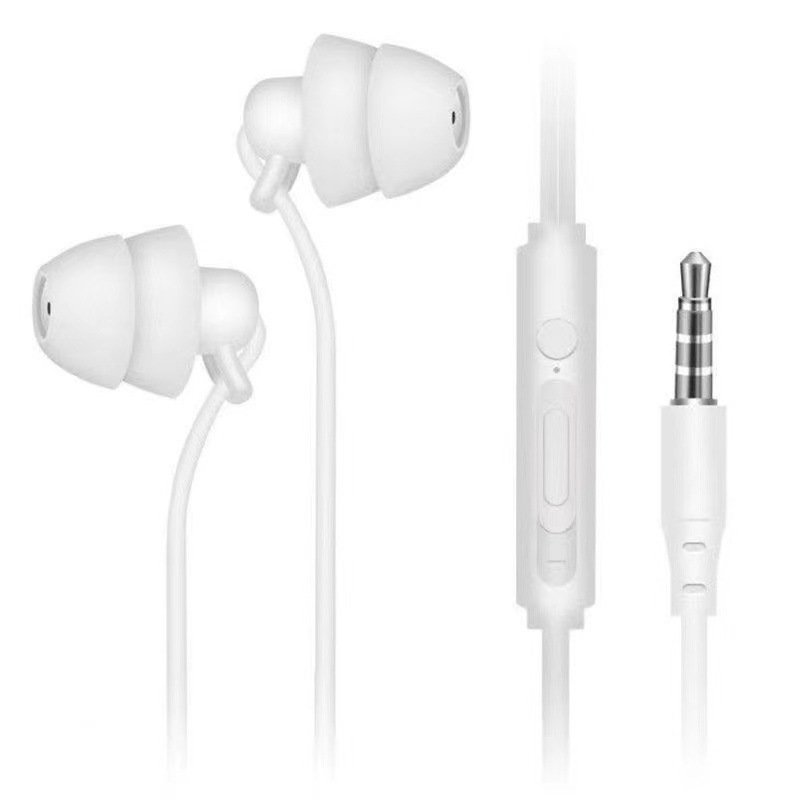
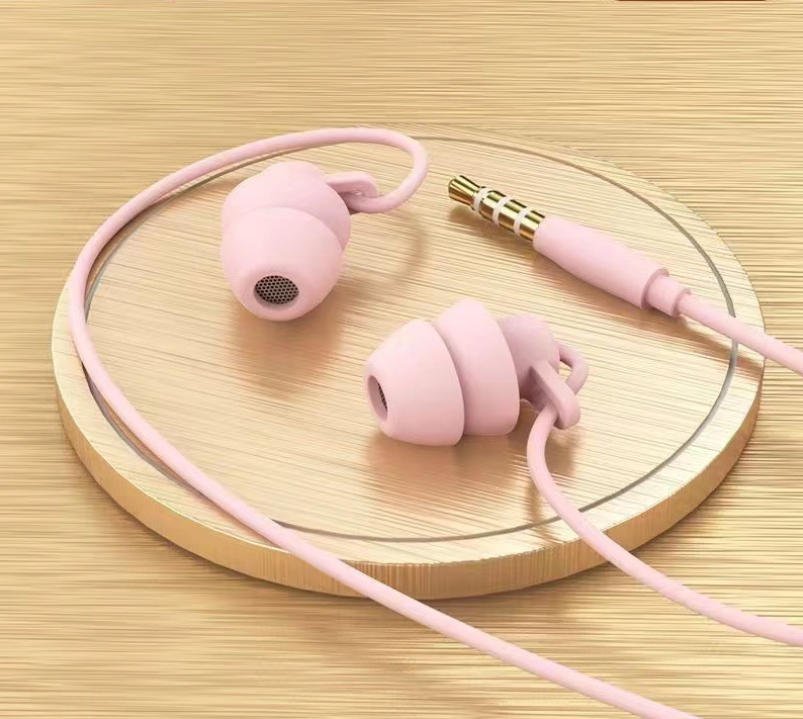
The 睡眠耳机 (sleep earphone) looks almost impossibly small when you first see it. At just 20 grams total weight, it’s barely noticeable in your hand . The earbuds themselves are diminutive, designed to sit flush with your outer ear rather than protruding outward. The cable is thin and flexible, made from TPE material that resists tangling and transmits minimal movement noise .
But the real magic is in what you can’t see: the shape.
These earphones are built around 人体工程学设计 (ergonomic design) principles that prioritize comfort above all else. Rather than the one-size-fits-all approach of standard earbuds, the housing is sculpted to match the natural contours of the human ear. It sits inside without stretching or pressing. It stays in place without needing deep insertion. It exists in your ear rather than intruding upon it .
The result is what the product description calls “O”异感 — zero foreign body sensation. You wear them, but after a few minutes, you forget you’re wearing them. They become invisible to your consciousness, leaving only the audio they deliver.
The Side-Sleeping Breakthrough

Here’s the test that matters: can you lie on your side with these in?
I’ve tested this extensively — not in a lab, but in the only place that counts: my bed, night after night, in every position my restless sleeping body adopts. And the answer is yes. Emphatically yes.
When I turn onto my side, the earbud compresses slightly against the pillow. But because it’s soft silicone rather than hard plastic, it deforms rather than digs. The pressure distributes across a wider area. My ear cartilage isn’t being stabbed; it’s being gently supported .
The earphone stays in place. This surprised me — I expected the movement to dislodge it, to require constant adjustment through the night. But the combination of ergonomic shape and lightweight construction means it doesn’t shift. I can roll from side to side, rearrange my pillow, pull the covers up, and the earbuds remain where they belong .
And because they don’t hurt, I can keep them in all night. Not just for the twenty minutes it takes to fall asleep, but for the full eight hours. I wake up with them still in place, still comfortable, still playing whatever podcast drifted into silence hours ago.
The Science of Soft
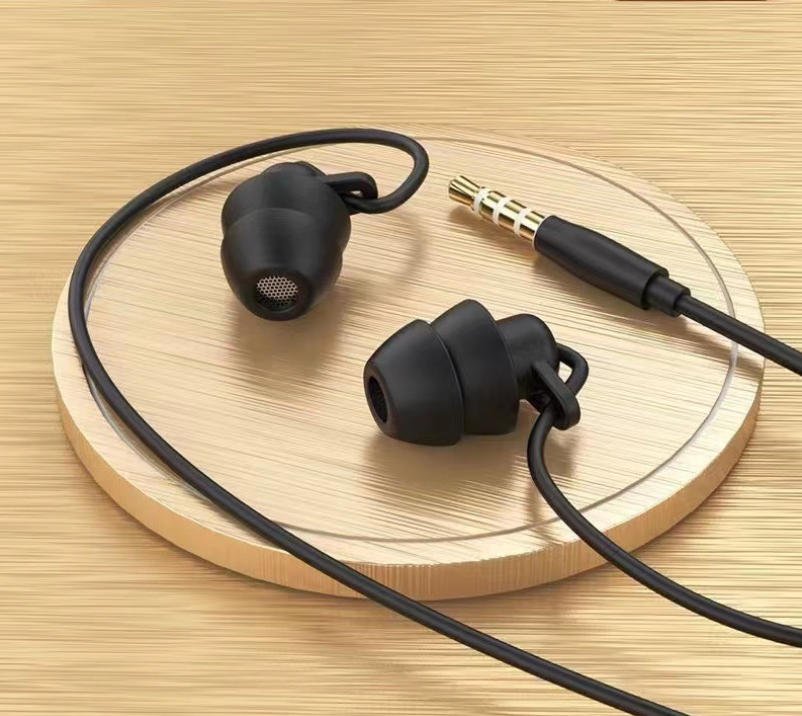
The material choice here is critical. These earphones use 亲肤硅胶 (skin-friendly silicone) for the parts that contact your ear — specifically, the same food-grade silicone used in baby bottle nipples .
This matters for several reasons.
First, silicone is hypoallergenic. It doesn’t contain the latex proteins or plasticizers that can cause reactions in sensitive individuals. If you’ve ever had itchy ears from cheap earbuds, you know exactly why this matters .
Second, silicone is thermally neutral. It doesn’t get cold against your skin, doesn’t conduct heat away from your ear. It sits at whatever temperature your body is, becoming essentially indistinguishable from your own tissue .
Third, silicone is durable but compliant. It’s strong enough to maintain its shape over thousands of uses, but soft enough to compress when pressed. This combination — the 一体成型 (integral molding) construction — means there are no seams, no weak points, no places where the material might eventually fail .
The TPE cable deserves mention too. Unlike the PVC cables found on cheaper earphones, TPE remains flexible in cold temperatures, resists kinking, and doesn’t develop that sticky surface over time. It’s also lighter, which matters when the cable is lying across your pillow or chest .
Sound That Satisfies
Comfort is the primary consideration for sleep earphones, but it can’t be the only consideration. If they sound terrible, you won’t use them — or worse, you’ll use them but be constantly aware of their inadequacy.
These earphones deliver surprisingly competent audio. The 7mm drivers are small — they have to be, to fit in that tiny housing — but they’re well-tuned . The frequency response extends to 50Hz on the low end, which means you get actual bass, not just the thin midrange that tiny drivers often produce . 1% distortion at normal listening levels is genuinely good performance for earphones in this category .
What this means in practice: voices are clear and natural. Music has body and presence. Podcasts don’t sound like they’re being transmitted through a tin can. The soundstage is small — these are earbuds, not studio monitors — but within their physical limitations, they deliver a satisfying listening experience .
The HIFI designation in the product description isn’t just marketing. These earphones reproduce audio accurately enough that you don’t think about the reproduction. You just hear the music.
Wired vs. Wireless for Sleep
You might wonder: why wired? Bluetooth earbuds exist. Why not use those for sleep?
I’ve tried both, and the answer surprises most people: wired is actually better for sleeping.
Bluetooth earbuds have batteries. Batteries add weight. Weight makes them harder to keep in place and more noticeable against the pillow. Bluetooth earbuds also need charging, which means remembering to put them in their case every morning — a task my sleepy brain reliably fails at .
Wired earphones have none of these issues. They’re lighter. They don’t need charging. They can’t run out of battery at 3 AM. The cable, properly managed, is actually less intrusive than a Bluetooth bud’s protruding housing .
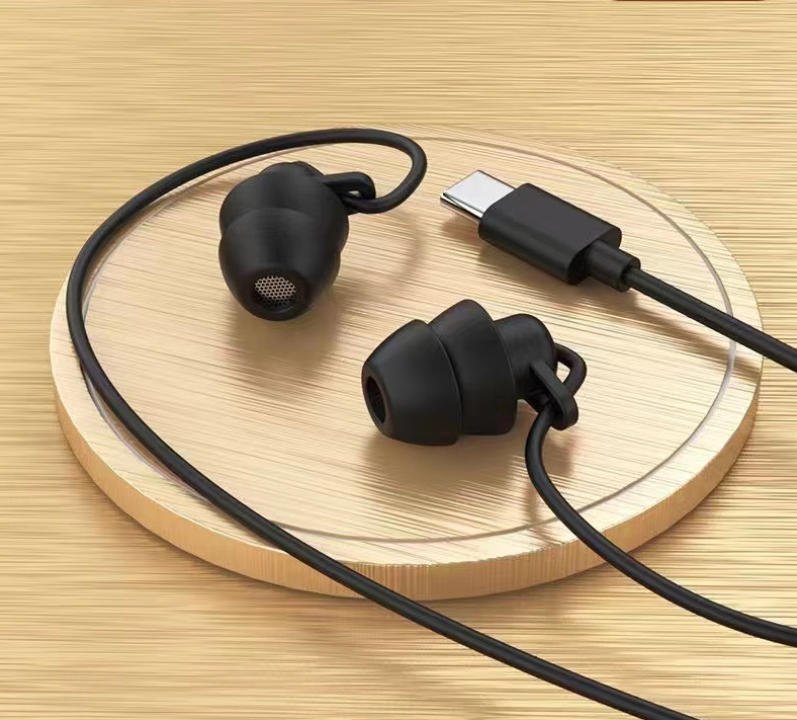
The 1.2 meter cable length is perfect for bed use — long enough to reach from your pillow to a phone on the nightstand, not so long that it tangles into impossible knots . The straight plug (直插型) is easier to insert and remove than right-angle plugs, which can put stress on the connection when the phone moves .
Two Interfaces, One Experience
The available options cover both major connection types, ensuring compatibility with virtually any phone.
The 3.5mm interface models are for traditional headphone jacks. Within this category, there are two sub-variants: 双层单麦 (dual-layer with single microphone) and 双层调音 (dual-layer with tuned audio) . The single-mic version includes a basic inline microphone for calls. The tuned version prioritizes audio quality, with additional attention to frequency balance .
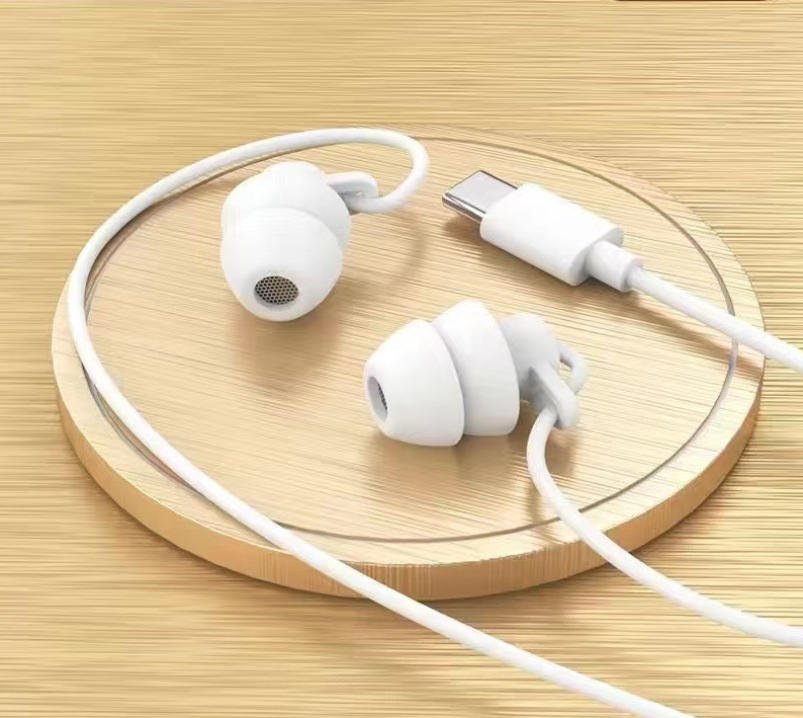
The Type-C interface models are for newer phones without headphone jacks. These come in two flavors as well: standard Type-C and 数字芯片通用款 (digital chip universal version) . The digital chip version includes actual digital processing, which can improve audio quality and ensure compatibility across different devices .
Color options span the spectrum. For 3.5mm, you can choose black, white, or pink in various configurations. For Type-C, the same colors are available, with the digital chip versions adding their own options . Whether you want discreet black that disappears on the nightstand or pink that adds a pop of personality, there’s an option.
The Sleep Difference
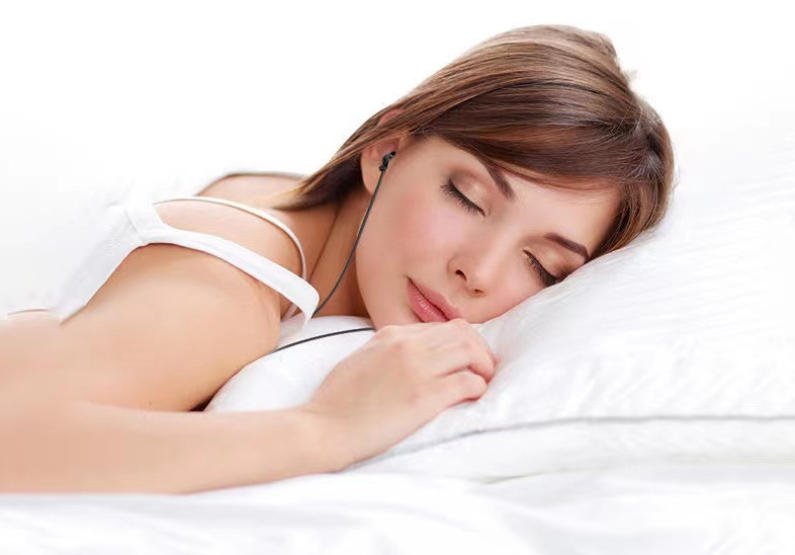
After weeks of using these earphones, I’ve noticed patterns in my sleep that I didn’t expect.
I fall asleep faster. This makes sense — I’m listening to something engaging enough to distract my racing thoughts, not so engaging that I stay awake to hear the end. The comfortable fit means I’m not constantly adjusting, not constantly aware of the earphones themselves .
I stay asleep longer. Without the discomfort that used to wake me when I rolled over, my body completes more sleep cycles without interruption. I wake up feeling more rested, even if my total time in bed hasn’t changed .
I wake up less disoriented. There’s something about waking with earphones still in place, still playing quiet audio, that makes the transition to consciousness gentler. I’m not jolted awake by silence; I gradually emerge from sleep accompanied by whatever gentle sounds were playing .
And my partner sleeps better too. No speaker playing audio across the room. No rustling as I adjust uncomfortable earbuds. Just quiet, still rest, for both of us .
The Little Details
Sometimes the small design choices matter most.
The lack of a remote module on most versions keeps the cable balanced and lightweight. There’s no lump of plastic to get tangled or press against your neck .
The tangle resistance of the TPE cable is real. I can drop these on my nightstand in any configuration, and they’re easy to separate in the morning. No more spending five minutes untangling before I can listen .
The weight distribution is careful. The earbuds themselves are the heaviest part, which means they stay in your ears rather than being pulled out by cable weight. The Y-split is positioned to rest comfortably on your chest, not tug at your ears .
The strain reliefs at both ends of the cable — where it meets the earbuds and where it meets the plug — are generously sized. These are the points where cables usually fail, and the extra reinforcement here suggests these earphones will last longer than cheaper alternatives .
For Whom These Earphones Are Made
Sleep earphones aren’t for everyone. But for certain people, they’re transformative.
Side sleepers are the obvious audience. If you can’t sleep on your back, if your preferred position puts your ear against the pillow, these are made for you .
Light sleepers who wake at every small sound will appreciate having controllable audio to mask disruptive noises. Whether it’s a partner’s snoring, traffic outside, or just the random creaks of an old house, having something pleasant to listen to makes falling back asleep easier .
Students sharing dorm rooms can maintain their sleep schedules regardless of roommates’ activities. A podcast or white noise through comfortable earphones creates a private sleep environment even in a shared space .
Travelers in noisy hotels, on airplanes, in hostels — anywhere unfamiliar sounds might disrupt rest — can carry their sleep environment with them. These earphones weigh practically nothing and take up minimal space .
Partners of snorers finally have a solution that doesn’t involve sleeping in separate rooms. The audio masks the snoring, and the comfortable fit means they can keep the earphones in all night .
Anyone with tinnitus knows how much worse ringing sounds in absolute silence. Having gentle audio playing through the night provides relief without discomfort .
Two Weeks In
I’ve been using these earphones for two weeks now. Not for commuting, not for working out — just for sleeping. Every night.
Here’s what I’ve noticed:
The silicone hasn’t changed. It’s as soft now as it was on day one. No hardening, no stickiness, no degradation.
The cable hasn’t kinked. Despite being coiled and uncoiled nightly, despite being slept on and rolled over, it remains straight and flexible.
The sound hasn’t degraded. The drivers are still clear, still balanced, still delivering the same quality audio as the first night.
And most importantly, I’ve stopped thinking about my earphones entirely. They’ve become invisible — not in the sense that I can’t see them, but in the sense that I don’t think about them. They’re just part of my sleep routine now, as unremarkable and essential as my pillow.
The Bottom Line
Here’s what I’ve learned: sleep is precious. It’s the foundation of health, of mood, of function. Anything that improves sleep is worth paying attention to. Anything that degrades sleep is worth eliminating.
For years, I accepted degraded sleep because I wanted audio to help me fall asleep. I accepted discomfort as the price of listening. I accepted that I couldn’t have both comfortable rest and the soothing presence of voices or music in the night.
I was wrong.
These sleep earphones — tiny, soft, ergonomic, thoughtfully designed — have given me back something I didn’t realize I’d lost. They’ve made falling asleep easier, staying asleep longer, and waking up gentler. They’ve eliminated the trade-off I thought was inevitable.
If you’re a side sleeper who’s given up on sleeping with audio, I understand. I was you. But I’d encourage you to try again — not with regular earbuds, not with compromises, but with something designed specifically for the challenge.
The SILIC0NE sleep earphones might look small and simple. They might seem almost too basic compared to flashy wireless alternatives. But in the quiet of the night, when you’re lying comfortably on your side, listening to whatever helps you drift off, you’ll understand.
Sometimes the simplest solutions are the ones that change everything.
Contact me for custom procurement.:silicone@silic0ne.com