 silicone@silic0ne.com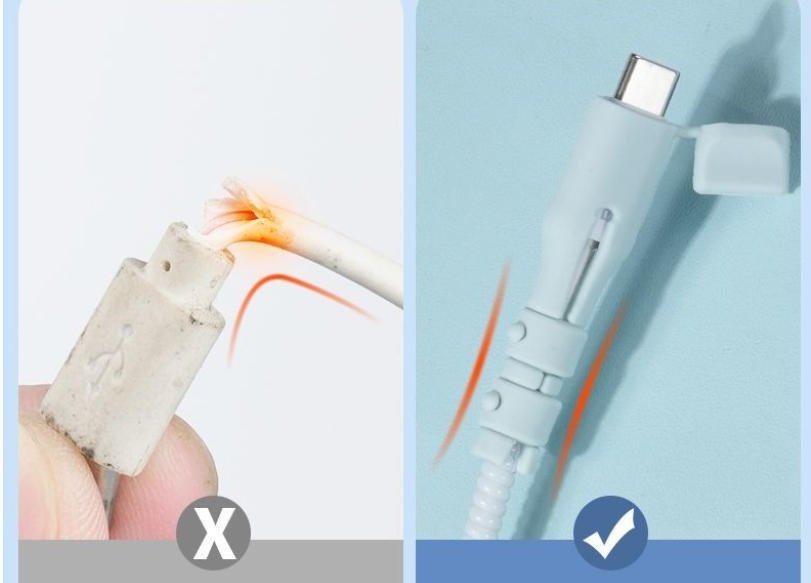
There are certain moments in life that test your patience in ways you never anticipated. For me, one of those moments happens every single day, multiple times a day. It’s that split second when I reach for my phone, still attached to its charging cable, and my hand catches the wire. The phone doesn’t fall — thank goodness for small miracles — but the cable takes the full force of the tug. And somewhere inside that slender cord, connections shift, wires strain, and the clock starts ticking toward inevitable failure.
We’ve all been there. That frustrating day when your phone refuses to charge unless the cable is bent at exactly the right angle. When fast charging becomes slow charging becomes no charging. When you find yourself contorted on the floor, holding your phone at a 37-degree angle, wondering how something so essential can be so fragile.
I went through more cables than I care to admit before I found the solution. And it wasn’t a better cable — it was a tiny silicone guardian that turned my ordinary cables into extraordinary ones. Let me introduce you to the humble data cable protector, a 5.4mm slice of silicone genius that has fundamentally changed how I think about the accessories we take for granted.
The Problem We All Pretend Doesn’t Exist
Here’s the thing about charging cables: they’re designed to fail. Not intentionally, of course, but the physics works against them. The junction where the cable meets the connector is a stress point. Every bend, every tug, every accidental yank concentrates force right there. Over time, the internal wires fatigue. The insulation cracks. The connection becomes intermittent, then unreliable, then useless .
Manufacturers know this. They reinforce the junction with rubber strain reliefs, but those only do so much. The real problem is that cables move. They get twisted in bags, stepped on by feet, wrapped too tightly, bent at sharp angles. And each of those movements weakens the connection a little more .
The result? The average smartphone user goes through two to three charging cables per year. That’s millions of cables in landfills, millions of dollars wasted, millions of moments of frustration when a cable dies at exactly the wrong moment .
I was part of that statistic. Until I found a 5.4mm solution.
Enter the Tiny Guardian
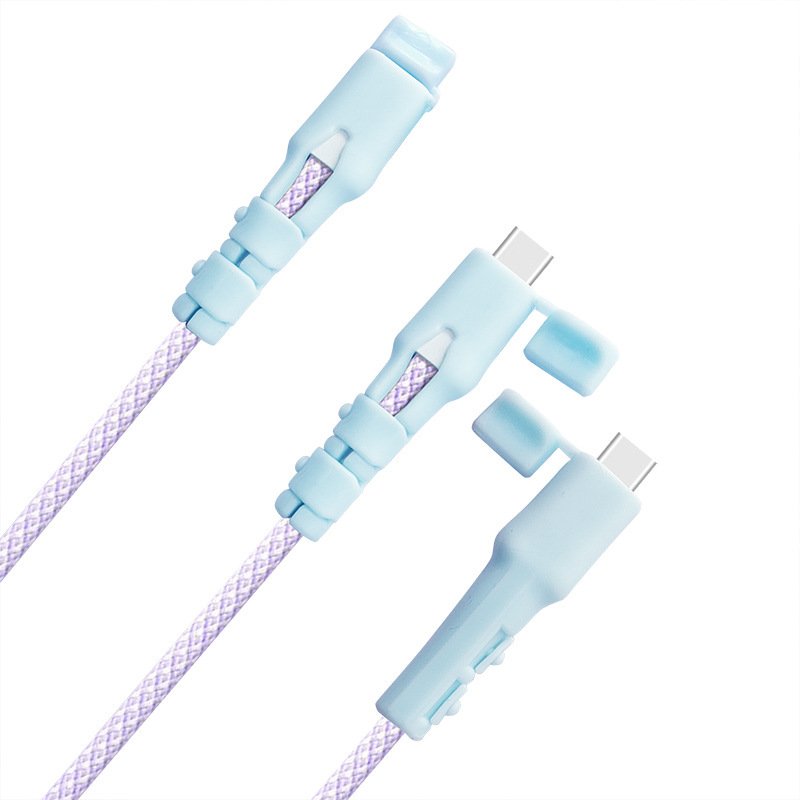
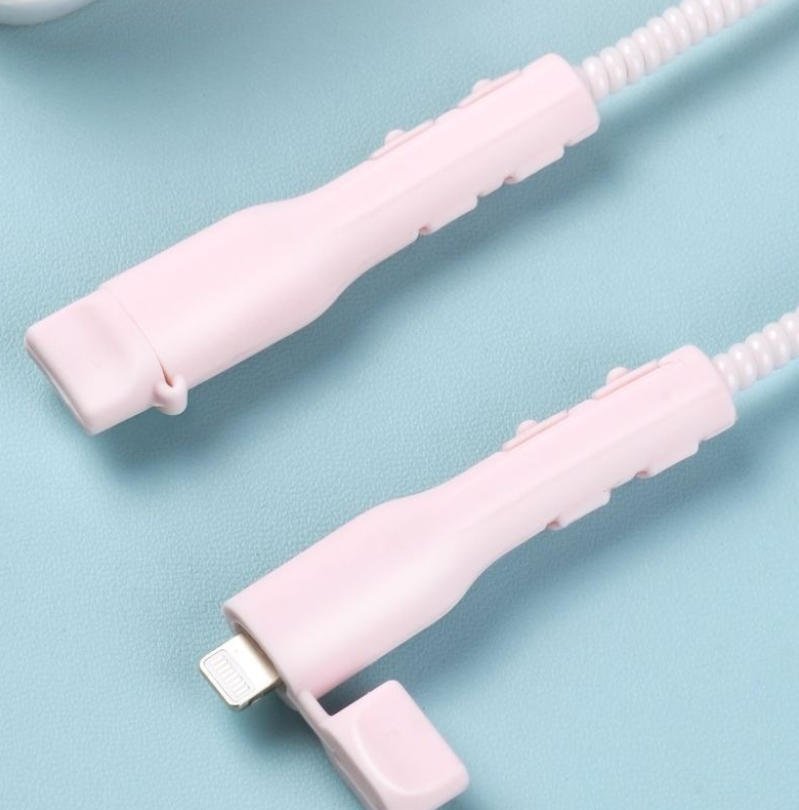
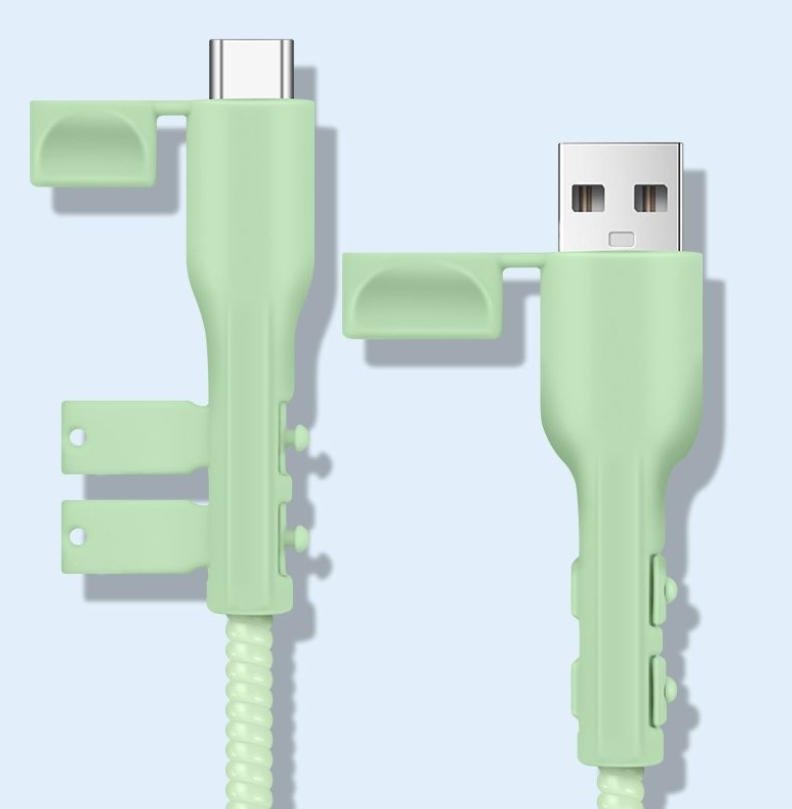
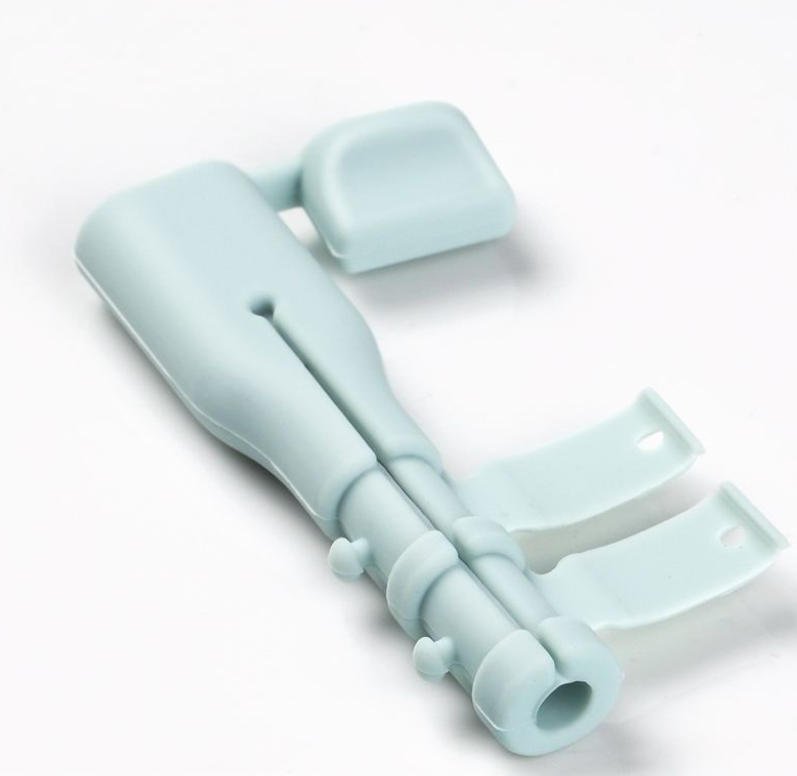
The 数据线保护套 (data cable protector) looks almost comically simple. It’s a small piece of soft silicone, maybe the size of a pea, with a hole through the middle. You slide it onto your charging cable, push it down to the connector junction, and… that’s it. Installation complete.
But that simplicity hides some genuinely clever engineering.
The protector is made from high-elasticity soft silicone — the same material family used in medical implants and baby products because it’s safe, durable, and gentle . This specific formulation is designed to be soft to the touch but firm enough to hold its shape. It’s skin-friendly, so it won’t irritate if it brushes against you while charging. And it’s washable, because life happens and cables get dirty .
The dimensions matter too. At 5.4mm in its critical dimension, it’s large enough to provide meaningful protection but small enough to be unobtrusive . It doesn’t add noticeable bulk to your cable, doesn’t prevent you from fitting the cable into tight spaces, doesn’t get in the way. It just… protects.
The Six Advantages That Actually Matter
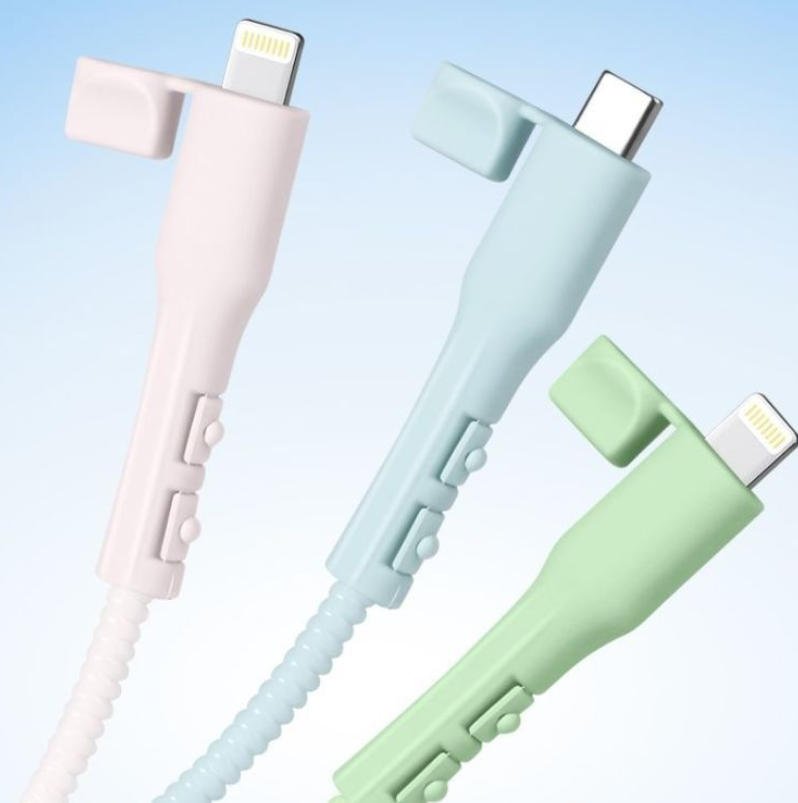
The product description lists six advantages, and unlike some marketing claims, these actually correspond to real-world benefits.
1. Soft Touch (轻柔手感)
The first thing you notice when you handle this protector is the texture. It’s soft — not mushy, not sticky, just pleasantly yielding. When you slide it into position, it conforms to the cable without resistance. When you later adjust it, it moves easily but doesn’t slip on its own .
This matters because a protector that’s too hard would transfer force rather than absorbing it. A protector that’s too slippery would slide away from the stress point. The soft touch strikes exactly the right balance.
2. Anti-fouling and Stain Resistant (防污耐脏)
White cables have a cleanliness problem. They show every smudge, every bit of pocket lint, every coffee splash. And once they’re dirty, they stay dirty — cleaning a standard cable usually just spreads the grime around .
The silicone material in these protectors resists staining. Dirt sits on the surface rather than absorbing into the material. When it does get dirty — and it will, because life — a quick wipe with a damp cloth restores it to like-new condition . The washable nature means you can actually clean it properly without damaging the protector.
3. Simple Installation (安装简单)
Some accessories require advanced degrees to install. Not this one. The installation process takes literally two steps :
Step 1: Slide the protector onto your cable from the free end. It glides easily along the length because the silicone is flexible and the hole is slightly smaller than the cable diameter — just enough grip to stay put, not so much that installation is difficult.
Step 2: Push the protector down to the connector junction. Position it so it covers the stress point where cable meets connector.
That’s it. You’re done. Installation complete. And because the protector doesn’t require adhesive or tools, you can remove it just as easily if you need to transfer it to another cable.
4. Not Easily Deformed (不易变形)
Here’s a test: take a cheap rubber band and stretch it. Notice how it gets thinner, weaker, less elastic? Now let it sit for a while and see if it returns to its original shape. Sometimes it does. Sometimes it doesn’t.
The silicone in these protectors is formulated to resist permanent deformation. It stretches to slide over the cable, then returns to its original shape once in position . It compresses when the cable bends, then springs back when the bend relaxes. Over weeks and months of use, it maintains its protective properties rather than becoming loose and ineffective.
5. Skin-Friendly Material (亲肤材质)
This matters more than you might think. Some plastics and rubbers contain chemicals that can cause skin irritation with prolonged contact. Phthalates, certain plasticizers, residual catalysts — all can migrate to the surface and transfer to your skin .
The silicone used here is skin-friendly, meaning it’s formulated without common irritants and tested for biocompatibility . If you charge your phone while sleeping, with the cable resting against your arm or chest, you don’t have to worry about mysterious rashes or itching.
6. Washable (可清洗)
Cables get dirty. They live in bags, on floors, in cars, on desks. They collect whatever their environment offers. And because we handle them constantly, that dirt transfers to our hands .
The washability of these protectors is a genuine convenience feature. When they get dirty, you can rinse them under running water with a little mild soap. The silicone doesn’t absorb water, doesn’t degrade with cleaning, doesn’t harbor bacteria. A quick wash and they’re fresh again .
360 Degrees of Protection
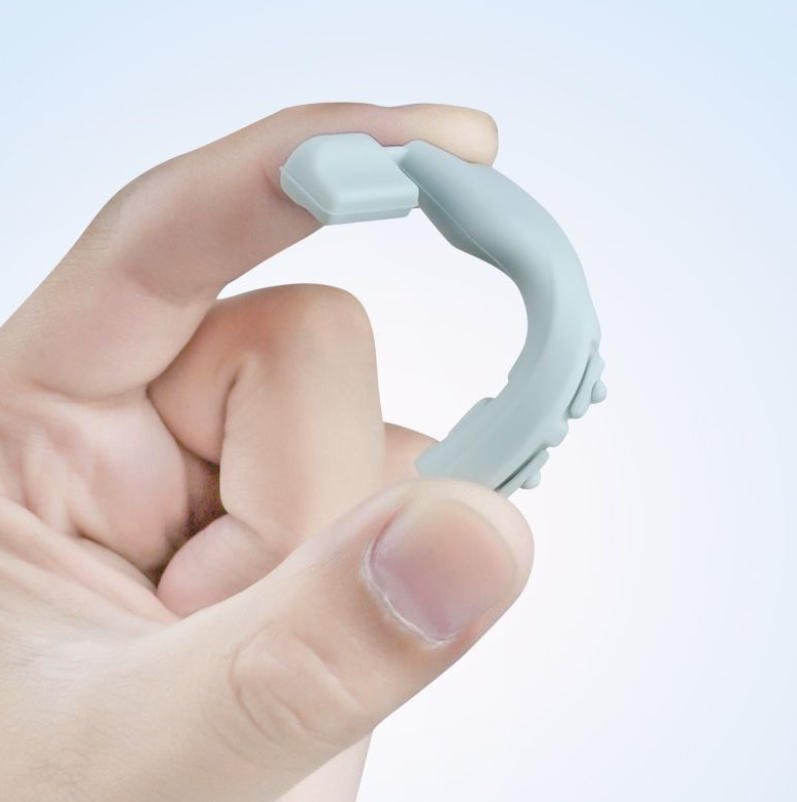
The real magic of these protectors isn’t in any single feature — it’s in the comprehensive protection they provide. The description calls it “full package protection” (全面包裹), and that’s exactly what it delivers .
When installed correctly, the protector creates a 360-degree cushion around the critical junction. It absorbs energy from tugs and yanks that would otherwise transfer directly to the internal wires. It distributes force across a wider area, reducing the stress concentration at any single point .
Think of it like this: without a protector, every bend concentrates at the exact same spot — the junction. With a protector, that bend is spread across the length of the protector. The internal wires experience gentler curves rather than sharp angles. The insulation doesn’t crack because it’s supported by the silicone around it .
The result is a cable that lasts longer, performs better, and fails later — if it fails at all.
Protection at Both Ends
Most cable failures happen at the connector end, but that’s not the only vulnerable spot. The protector can be used at both ends of your cable — the end that plugs into your phone and the end that plugs into your charger .
This dual protection matters because both ends experience stress. The charger end gets tugged when you unplug carelessly. It gets bent when you store the cable. It gets stepped on when it falls behind the desk. By protecting both ends, you double the lifespan of your cable .
The Aesthetic Angle: Colors and Personalities
Now let’s talk about the fun part. Protection is the primary function, but these protectors also offer something unexpected: personality.
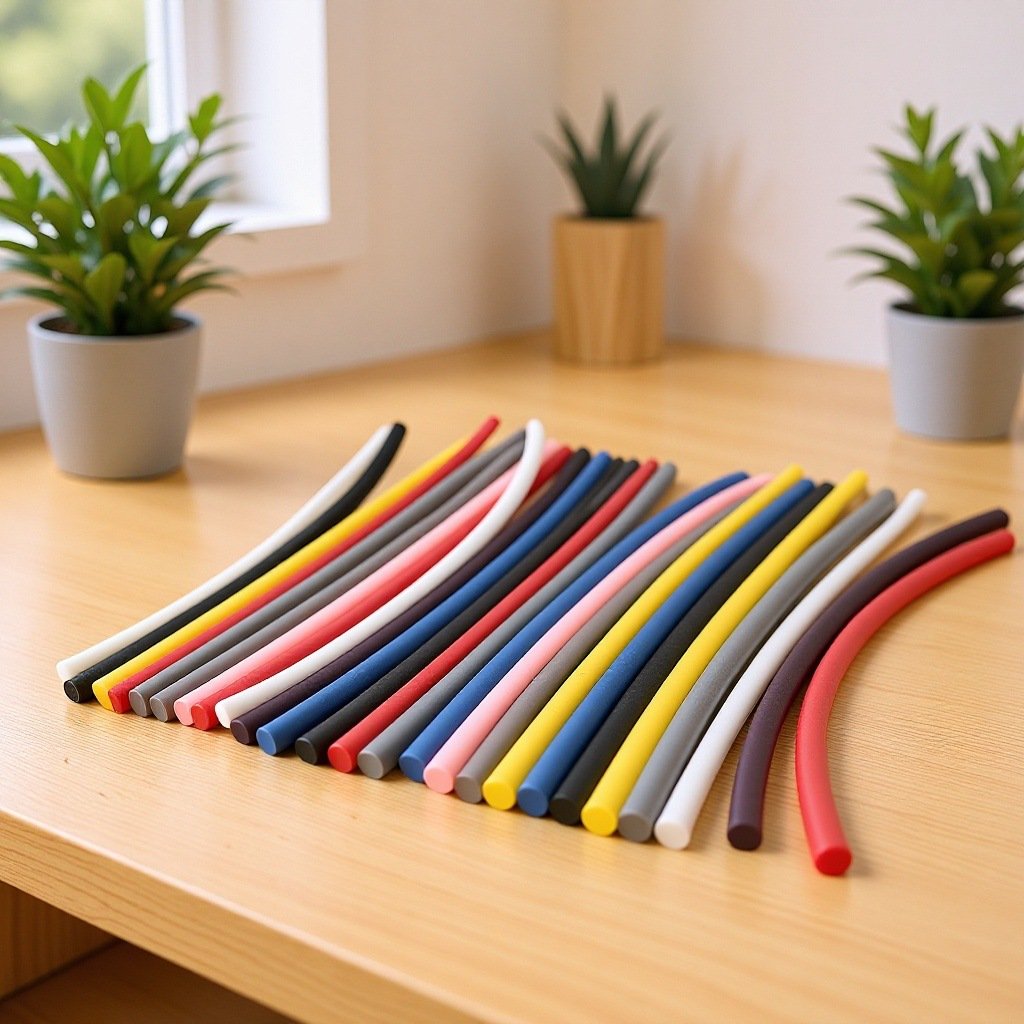
The lineup includes two main families of protectors, each with multiple color options.
The Standard Android Style: These are simple, functional protectors in solid colors. You can get them in white, green, blue, or pink . If you don’t care about the color, there’s also a random color option — a little surprise in your package, like a mystery flavor.
The Little Angel Style (小天使): These are more decorative, featuring a small angel wing or similar design element. Available in white, black, pink, and blue , plus a random color option for the adventurous .
The colors aren’t just decorative — they’re practical too. Color-coding your cables makes it easy to identify which cable belongs to which device, especially in households with multiple phones and tablets. The pink protector might be “Mom’s cable,” the blue one “Dad’s,” the green one “the guest bedroom charger.” It’s a small organizational win that makes life slightly easier.
Beyond Protection: The Unexpected Benefits
Once I started using these protectors, I discovered benefits I hadn’t anticipated.
No More Tangled Cables: The protector adds a tiny bit of friction at the cable end, which actually helps prevent tangling. Cables tend to tangle from the ends inward; by adding a slightly grippy element at the ends, the protector disrupts the physics that lead to knots .
Better Grip: When unplugging a cable, the protector provides a better gripping surface than the cable itself. Instead of pinching the thin wire, you can grip the slightly larger protector, reducing strain on both your fingers and the cable .
Visual Reminder: The bright colors serve as a visual reminder to handle cables carefully. When I see that little splash of color at the end of my cable, I’m subconsciously reminded to be gentle when unplugging, to avoid sharp bends, to treat the connection with care.
Conversation Starter: This sounds silly, but it’s true. People notice the little colored protectors on my cables. They ask what they are. I explain. And suddenly we’re having a conversation about cable longevity and the small investments that pay off over time. I’ve actually convinced friends to try them, just by having them visible in my daily life.
The Environmental Angle
Here’s something worth considering: every cable that lasts twice as long is one less cable in a landfill. The average charging cable contains copper, plastic, and sometimes rare earth elements — all materials with environmental costs for mining, processing, and manufacturing .
By extending cable life, these tiny silicone protectors have an environmental impact that belies their size. They’re a perfect example of the “reduce” part of “reduce, reuse, recycle” — preventing waste before it’s created rather than dealing with it afterward .
And when the protector itself eventually reaches end of life? Silicone is more environmentally friendly than many alternatives. It doesn’t release harmful chemicals as it degrades, and some recycling programs accept silicone products .
Real-World Testing
I’ve been using these protectors for six months now, across multiple cables and multiple devices. Here’s what I’ve observed:
Cable #1: My bedside charging cable, which previously lasted about 4 months before developing intermittent connection issues. Six months in, it’s still working perfectly. The protector shows no signs of wear.
Cable #2: The cable I keep in my bag for travel, which gets twisted, compressed, and generally abused. Previously, these cables would fail at the 3-month mark. This one is still going strong at 5 months.
Cable #3: My work desk cable, which experiences the least physical stress but the most plug/unplug cycles. Previously, these cables would fail when the connector housing cracked. This one’s connector housing is still intact, supported by the protector.
The protectors themselves look essentially new. The colors haven’t faded. The silicone hasn’t hardened or become sticky. They’re doing exactly what they’re supposed to do, with zero maintenance required.
Installation Tips for Maximum Protection
If you decide to try these protectors — and I think you should — here are a few tips for getting the most out of them:
Install Immediately: Put protectors on new cables the moment you unbox them. Prevention is more effective than remediation. A protector installed from day one prevents stress accumulation rather than responding to existing damage .
Position Correctly: The protector should sit right at the junction, covering the point where the cable enters the connector housing. It should extend slightly onto both the cable and the connector, creating a smooth transition between the two .
Check Occasionally: Every few weeks, check that the protectors haven’t shifted. If they have, just slide them back into position. It takes two seconds.
Use on Both Ends: Don’t forget the charger end! Both ends benefit from protection, and both ends contribute to overall cable longevity.
Match Colors to Devices: If you have multiple cables, consider color-coding by device or location. It makes life easier.
The Bottom Line
Here’s the truth: a charging cable is a simple thing. It carries electricity from point A to point B. It doesn’t ask for much — just to be treated with reasonable care. But reasonable care is hard to sustain over months and years of daily use. We get careless. We get rushed. We get distracted. And cables pay the price.
The data cable protector is a recognition of that reality. It’s an admission that we’re not perfect, that we’ll occasionally yank too hard or bend too sharply, and that our cables need a little help surviving us .
At its core, this tiny piece of silicone is an investment in reliability. For the cost of a coffee, you can extend the life of every cable you own. You can reduce frustration, save money, and generate less waste. You can stop thinking about when your cable will fail and start trusting that it won’t.
I started this journey frustrated by failing cables and resigned to replacing them every few months. I’ve ended it with cables that outlast my expectations, protected by tiny silicone guardians that cost almost nothing and deliver immense value.
If you’re still wrestling with dying cables, still holding your phone at that perfect angle, still wondering why something so simple has to be so fragile — try a protector. It’s 5.4mm of silicone that might just change your mind.
And honestly? That’s a pretty amazing return on a very small investment.
Contact me for custom procurement.:silicone@silic0ne.com