 silicone@silic0ne.com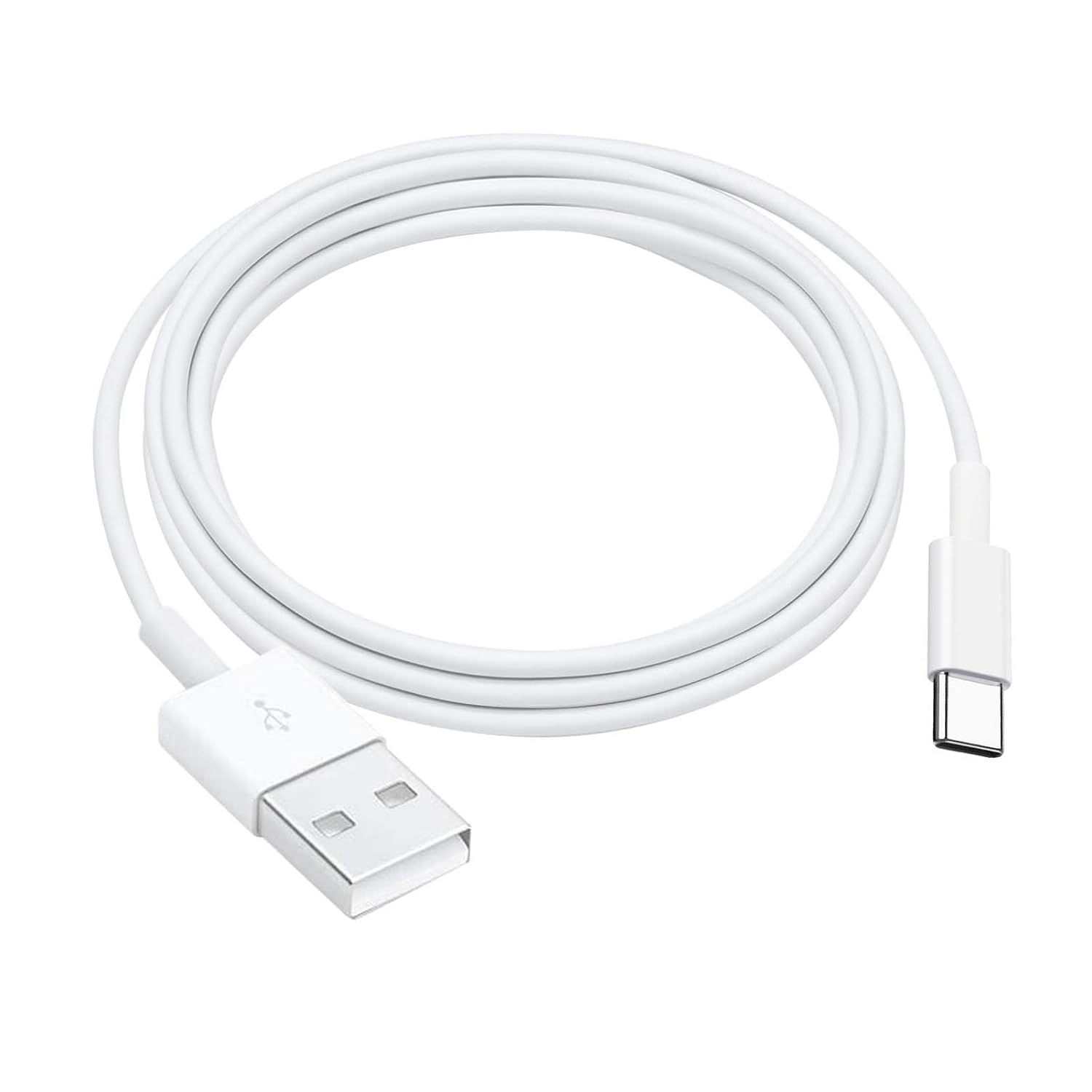
Introduction
USB-C (officially USB Type-C) has revolutionized device connectivity by combining high-speed data transfer and power delivery in a single, compact, reversible connector. As an industry standard adopted by nearly all major electronics manufacturers, USB-C eliminates the need for multiple cables and ports, offering a unified solution for charging, data syncing, and multimedia connectivity.
1. The Evolution of USB-C
Before USB-C, consumers relied on various connectors:
USB-A (bulky, non-reversible)
Micro-USB (fragile, limited power/data)
Proprietary ports (e.g., Apple Lightning)
USB-C was developed by the USB Implementers Forum (USB-IF) to address these limitations. Key milestones:
2014: First specification released
2015: Adopted in flagship devices (MacBook, Nexus 6P)
2023: EU mandates USB-C for all portable electronics
2. Technical Advantages
A. Single-Cable Solution
Unlike legacy ports, USB-C handles:
Data transfer (up to 40Gbps with USB4)
Power delivery (up to 240W via USB PD 3.1)
Video output (8K via DisplayPort Alt Mode)
Audio transmission (digital or analog)
B. Reversible Design
The symmetrical 24-pin connector eliminates the “wrong side up” frustration of USB-A.
C. Cross-Device Compatibility
Works with:
Smartphones (Android, iPhone 15+)
Laptops (MacBook, Dell XPS)
Tablets (iPad Pro, Samsung Galaxy Tab)
Peripherals (SSDs, docks, monitors)
3. Power Delivery Capabilities
USB Power Delivery (USB PD) enables:
Fast charging: 0→50% in 30 mins (for phones)
Laptop charging: Up to 240W (replacing barrel plugs)
Bidirectional power: Devices can charge each other
Example: A USB-C monitor can power a laptop while displaying video.
4. Data Transfer Performance
Protocol Speed Use Case
USB 2.0 480Mbps Mice/keyboards
USB 3.2 Gen 2×2 20Gbps External SSDs
USB4 40Gbps 8K video editing
Note: Thunderbolt 4 (which uses USB-C) adds PCIe tunneling for external GPUs.
5. Video and Audio Support
Through Alternate Modes, USB-C can replace:
HDMI (via adapters or native Alt Mode)
DisplayPort (direct 8K output)
3.5mm audio (digital or analog signals)
6. Industry Impact
Reduced e-waste: Single-cable universality decreases discarded chargers.
Slimmer devices: Replaces bulkier ports (e.g., USB-A, Ethernet).
Dock ecosystems: One USB-C port can connect monitors, storage, and peripherals.
7. Future Developments
Higher wattage delivery (for gaming laptops/AR devices)
Integration with wireless charging
Potential merger with Thunderbolt 5
Conclusion
USB-C represents the pinnacle of wired connectivity – a single, robust connector that simplifies our digital lives while pushing performance boundaries. As the EU mandate accelerates global adoption, USB-C will remain the cornerstone of universal device interoperability for years to come.